SVE Technology
Applying experience to modernize the internal combustion engine
Sleeve Valve Engine (SVE) Technology
Founded by an innovator in alternative-fuel engine technology for unmanned air vehicle (UAV) and military power generation systems, SVE Technologies is dedicated to extending the long history of the sleeve valve engine into the 21st Century.
The SVE legacy
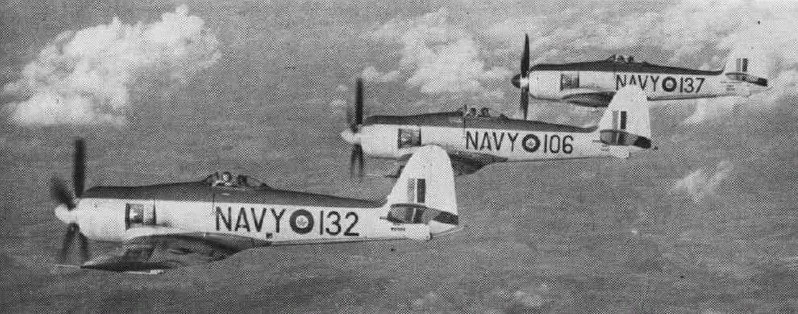
A number of sleeve valve aircraft engines were developed following a seminal 1927 research paper from the RAE by Harry Ricardo. This paper outlined the advantages of the sleeve valve and suggested that poppet valve engines would not be able to offer power outputs much beyond 1500 hp (1,100 kW). Napier and Bristol began the development of sleeve-valve engines that would eventually result in limited production of two of the most powerful piston engines in the world: the Napier Sabre and Bristol Centaurus.
— Wikipedia
Advantages
No poppet valve components or cams for reliability, lower weight
Optimal ignition spark placement in cylinder head
Elimination of exhaust valve, reducing pre-ignition issues
Optimal turbulence and airflow characteristics
— Sir Harry Ralph Ricardo (father of the Sleeve Valve Engine)
Widely used in WW-II, the Bristol Hercules displaced 38.7 liters… The first Hercules variant produced 1375 hp at 2400 rpm. By war’s end, its successors were developing 2500 hp, with around 65,000 Hercules engines produced. Many British bombers were powered by the Hercules, among them variants of the Avro Lancaster, Bristol Beaufighter, Handley Page Halifax, Short Stirling and Vickers Wellington.
— Dennis Simanaitis, SimanaitisSays.com, 2013