Early Development
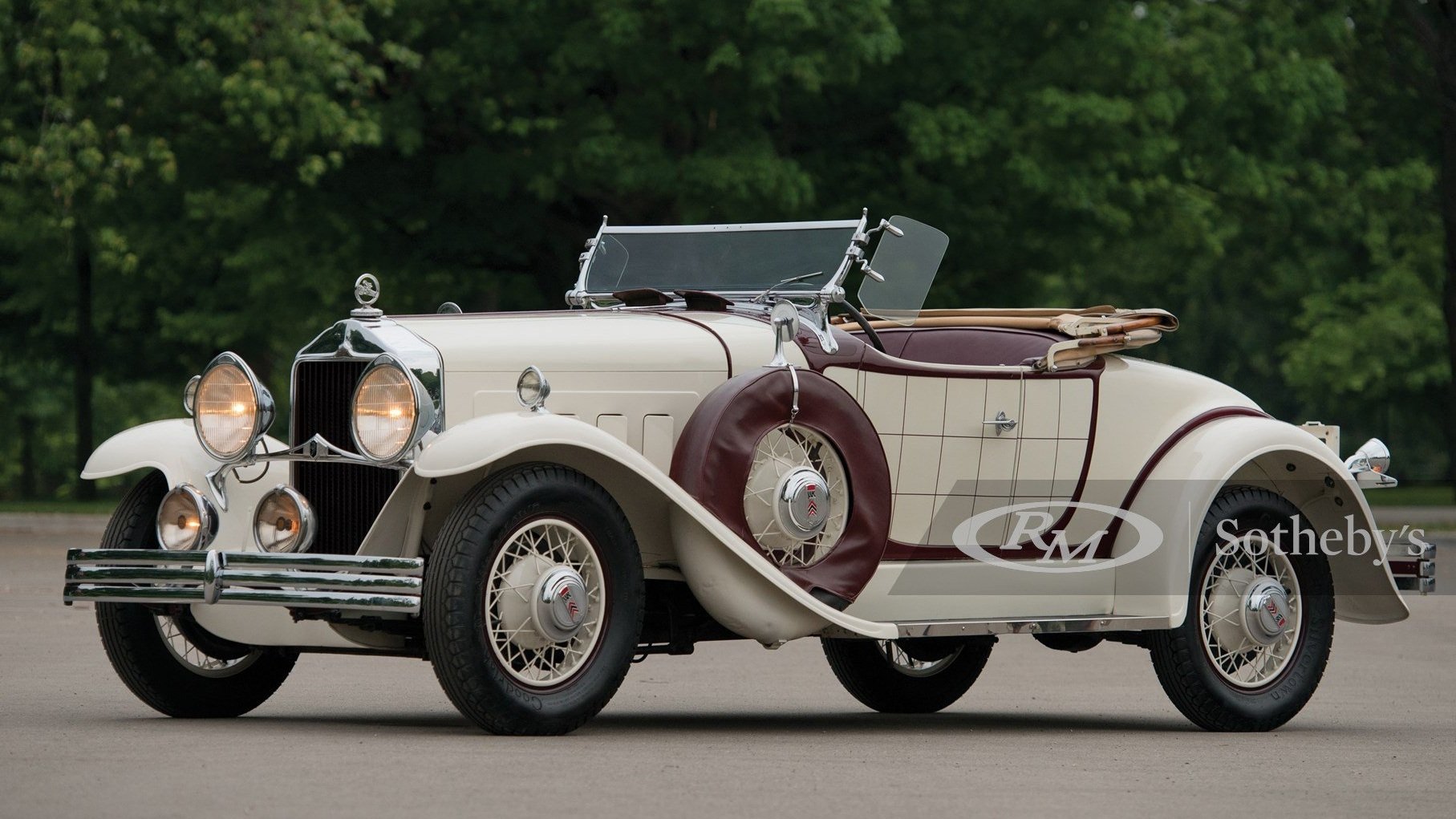
The first successful sleeve valve was patented by Charles Yale Knight, and used twin alternating sliding sleeves. It was used in some luxury automobiles, notably Willys, Daimler, Mercedes-Benz, Minerva, Panhard, Peugeot and Avions Voisin. Mors adopted double sleeve-valve engines made by Minerva. — Wikipedia
The 1930 Willys Knight is shown at the right
Poppet-Valve vs Sleeve-Valve Designs
Sleeve valve engines were known to be extremely quiet, and more reliable than the contemporary poppet valve engines.
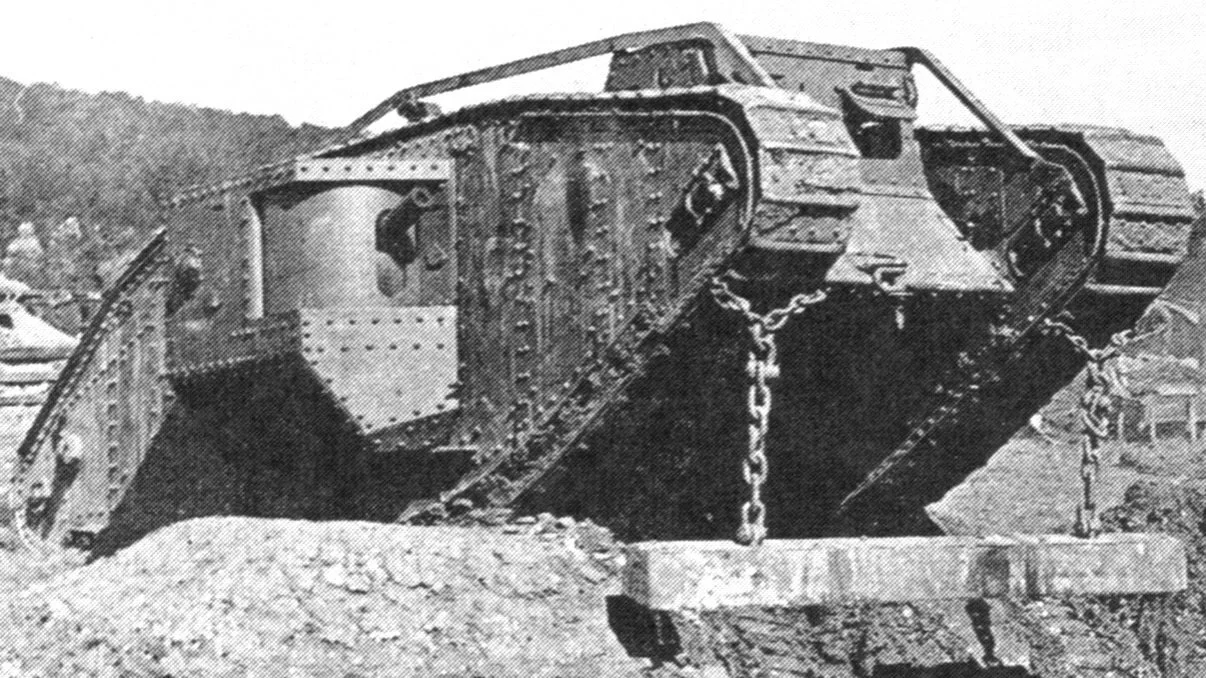
Sleeve valve engines, with fewer moving parts, enjoyed a distinct advantage until leaded gasoline reduced the need for valve replacements in poppet engines. Sleeve valve applications included powering the original British tanks in WW 1, such as the Mark IV shown at the right, which used a Daimler, 6 cylinder sleeve valve engine.
Single Sleeve Valve (SSV) Designs
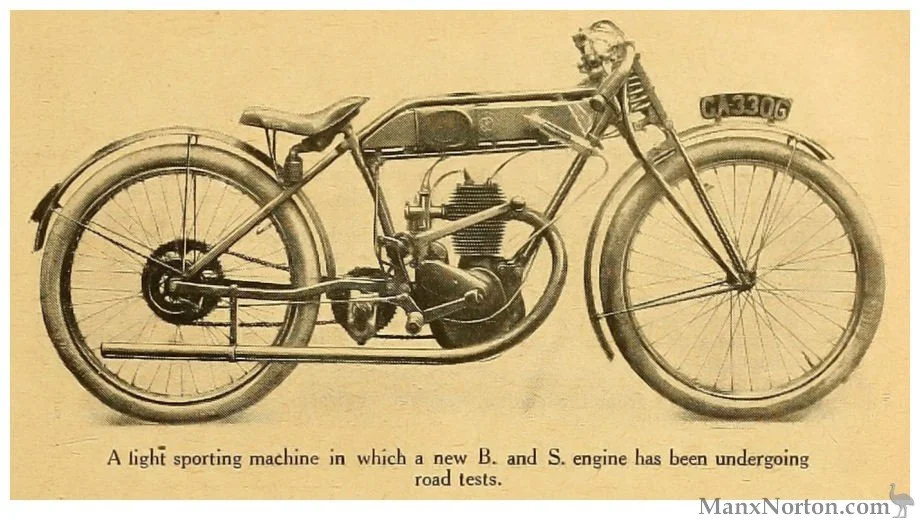
Two engineers patented a competing single-sleeve valve (SSV) engine design in 1910. This Peter Burt and James McCollum design, was used by the Scottish car maker Argyll, found use by other car manufacturers such Piccard-Pictet, and v-twin derivatives found there way into post-ww 1 motorcycles. The Barr-Stroud 1921, 350cc SSV motorcycle is shown at the right..
The SSV design proved adaptable to a wide range of fuels, with some small SSV auxiliary boat engines and electric generators built in the UK, prepared for burning 'paraffin in the 1920’s.
SVE Technology engines use a single-sleeve design.
Aircraft Engines
A number of sleeve valve aircraft engines were developed following a seminal 1927 research paper from the RAE by Harry Ricardo. This paper outlined the advantages of the sleeve valve and suggested that poppet valve engines would not be able to offer power outputs much beyond 1500 hp (1,100 kW). Napier and Bristol began the development of sleeve-valve engines that would eventually result in limited production of two of the most powerful piston engines in the world: the Napier Sabre and Bristol Centaurus. Further development was curtailed when emphasis move to Whittle’s jet engine during WW2.
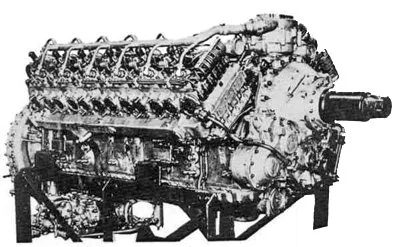
At right, is the Rolls-Royce Crecy. Developed between 1941 and 1946, it was among the most advanced two-stroke aero-engines ever built, and was targeted as a replacement for the engines in the famous Spitfire and Mustang fighters.
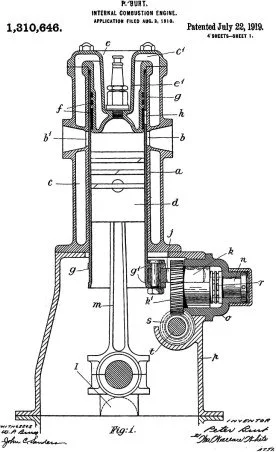
Daimler-Knight petrol engine
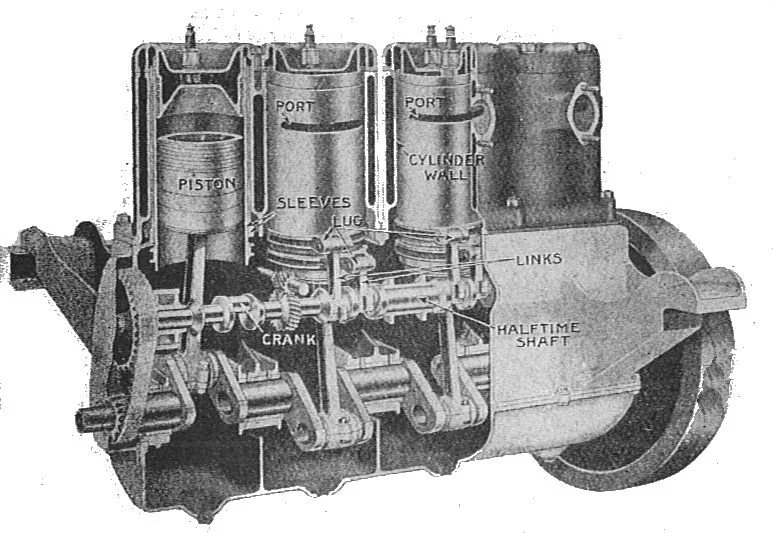
Knight engine
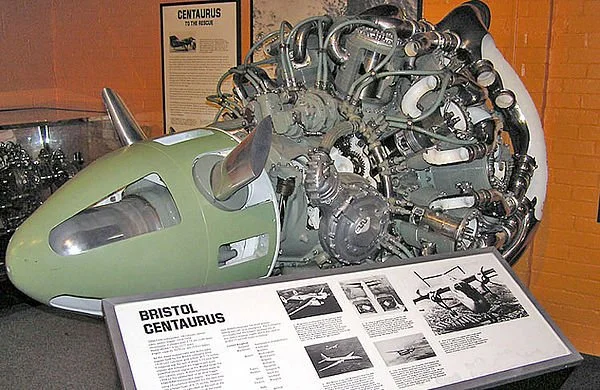
Bristol Centaurus 18cyl, 2200hp WW2
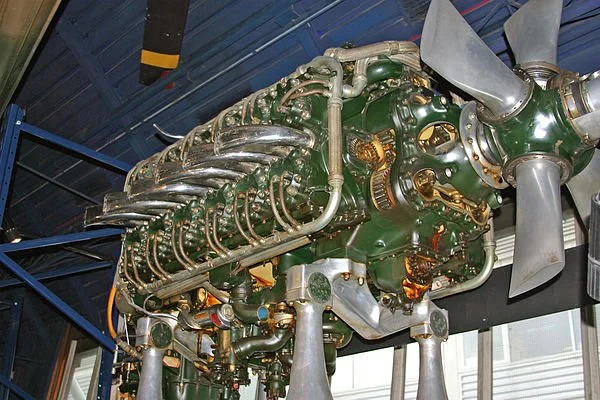
Napier Sabre 24 cyl, 3500hp WW2